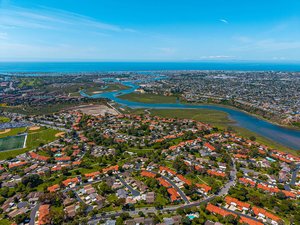
Moving to Tustin, CA: What to Know Before You Relocate
Tustin sits in a very strategic part of central Orange County—close to major job hubs, freeway connections, and everyday amenities—while still offering distinct “micro-areas” that feel different block to block. If you’re relocating from out of state (or even from another part of Southern California), the biggest win is getting specific about which part of Tustin fits your lifestyle, commute, and tolerance for HOA rules, traffic patterns, and home age/condition.
TLDR
- Tustin offers a rare mix of “classic Orange County” neighborhoods and newer master-planned pockets—your day-to-day feel can change dramatically by area.
- The main relocation risk is mismatching your priorities (commute, HOA constraints, lot size, school boundaries, noise corridors) to the wrong sub-area.
- The strategy lever: pick your micro-location first, then tailor your offer and inspection plan to the home’s age, HOA, and condition profile.
What does “moving to Tustin” really mean in practical terms?
Relocating to Tustin is less about choosing one city and more about choosing an operating system for your week: freeway access vs. walkable pockets, older homes vs. newer builds, and whether you want HOA-managed amenities or more “do what you want” flexibility. Tustin also has a meaningful mix of incorporated city neighborhoods and nearby unincorporated areas that many buyers casually label as “Tustin,” which is why boundaries matter.
A second practical reality: your “Tustin lifestyle” often blends into nearby hubs (Irvine, Santa Ana, Costa Mesa, Orange). That can be a major advantage for commuting and dining, but it means you should evaluate routes at the times you’ll actually drive them—not just on a weekend test run.
Here is how I define it as Monica Carr:
- Micro-location first: commute corridors, noise influence, and “daily convenience radius” drive satisfaction more than a zip code does.
- Match the home’s era to your tolerance for maintenance: older charm can mean more systems diligence; newer can mean more HOA governance.
- Plan inspections as a relocation protection strategy, not a checkbox—especially when you’re buying from a distance.
If you want to start with what’s actually available right now, use the live inventory hub here: Tustin real estate listings.
How does the broader Orange County market shape your relocation strategy?
Orange County inventory and buyer behavior can shift quickly with mortgage-rate movement, which is why relocation buyers need a flexible plan. Even when affordability improves, supply can remain tight in highly convenient, central locations—so the “right” home can still attract competition. Track rates and macro signals, but make decisions based on your target micro-area and your non-negotiables.
For reliable market context (without hype), I typically point clients to primary sources like the California Association of REALTORS® forecast and Orange County REALTORS® market data, plus rate history from FRED. Those sources give the bigger picture; your offer strategy then comes down to the specific property’s condition, disclosures, and comparable sales.
Tactical relocation advice: commute tests, schools, and “day-two” logistics
Relocation success in Tustin usually comes down to three tactical moves: (1) test-drive commute routes at real commute times, (2) confirm school boundaries and enrollment policies directly with the district, and (3) map your weekly errands (groceries, workouts, coffee, kid logistics, airport access) from the specific neighborhood—not the city center.
If rail commuting matters, it’s worth understanding how Metrolink lines and station access fit your schedule. If bus connectivity matters, OCTA route planning helps you avoid guessing. And if you’ll fly often, check John Wayne Airport ground transportation options so you can build a realistic “door-to-gate” routine.
Helpful official starting points: Tustin Unified School District, Metrolink Tustin Station, OCTA routes & schedules, John Wayne Airport transportation.
Local options: which parts of Tustin tend to fit which priorities?
Below are common “starting buckets” relocation buyers use. These are not value judgments—just practical ways to narrow your search based on lifestyle, home style, and governance (HOA vs. non-HOA). Availability changes week to week, so treat these as filters, not rules.
Old Town Tustin
- Details: Historic core with a recognizable Main Street feel and older-home character; the City highlights Old Town’s historic buildings and walking tour resources.
- Watchouts: Older homes can mean more diligence on roofs, plumbing, electrical, permits, and foundation drainage. Downtown enhancement projects can also affect access/parking during construction.
- Entry path: Start with your tolerance for vintage-home maintenance, then set an inspection plan that matches the home’s era and any remodel history.
Reference: City of Tustin – Old Town Tustin and Old Town Virtual Walking Tour.
Tustin Ranch
- Details: A familiar Orange County “planned community” profile—often newer relative to Old Town, with many HOA-governed tracts and predictable streetscapes.
- Watchouts: HOA rules and monthly dues can shape everything from exterior changes to parking and rental restrictions. Confirm HOA documents early.
- Entry path: Decide your HOA comfort level first, then shop for floorplan + neighborhood fit inside that governance framework.
Tustin Legacy area (west side growth corridor)
- Details: Newer housing + newer retail patterns in pockets; tends to appeal to buyers prioritizing newer construction and a more contemporary “daily convenience” layout.
- Watchouts: Confirm HOA layers (master + sub-association), Mello-Roos if applicable, and any community-specific architectural controls.
- Entry path: Underwrite monthly carrying costs (including HOA and any special assessments) before you fall in love with the finishes.
North Tustin (unincorporated pockets often searched as “Tustin”)
- Details: Many buyers explore these areas for larger-lot potential and a different feel than tract neighborhoods (varies widely by street).
- Watchouts: County vs. city services can change rules and permitting pathways. Confirm jurisdiction early, especially if you plan improvements.
- Entry path: Decide if you want flexibility (often fewer HOA layers) and are comfortable doing deeper due diligence on property condition and records.
Outdoor access is also a real quality-of-life factor here. Buyers often use regional parks like Peters Canyon Regional Park and nearby Irvine Regional Park as “weekend anchors,” and the City maintains its own parks and recreation resources as well.
Explore Neighborhood Options in Tustin
What are the pros and cons of relocating to Tustin?
Pros
- Central Orange County positioning with multiple commute-path options (freeways, rail, and regional connectors).
- Strong variety of housing “eras,” from older character areas to newer planned neighborhoods.
- Easy access to parks, regional trails, and adjacent hubs for dining, retail, and employment.
Cons
- Micro-area differences can be confusing for relocation buyers—“Tustin” search results may include unincorporated pockets with different rules/services.
- HOA governance (and layered HOAs) can be a dealbreaker if you value flexibility for exterior changes, parking, or rentals.
- Central corridors can have noise/traffic influence—buyers should evaluate proximity to major roads and commute peaks carefully.
How do I plan the process, costs, and due diligence for success?
The winning approach is: prep → execution → protection. Prep means choosing your micro-location, lender strategy, and must-haves before touring. Execution means writing an offer that fits the property’s risk profile (condition, disclosures, HOA, appraisal sensitivity). Protection means using inspections, document review, and verification steps to prevent expensive surprises—especially when you’re relocating and can’t “pop by” to check details easily.
A clean relocation flow typically looks like: lender pre-approval (or pre-underwriting when appropriate) → shortlist neighborhoods → tour efficiently (in person or with a trusted representative + video) → offer strategy aligned to competition and property condition → escrow with disciplined contingency management → final verification walkthrough and closing. For advice specific to your situation, consult a qualified attorney, CPA, and/or lender.
- Inspections to plan for: general home inspection, roof, sewer/plumbing as appropriate, electrical/HVAC, pest/termite, pool/spa (if applicable).
- Document review: seller disclosures, permits/retrofit history, HOA docs (rules, budget, reserves, insurance), natural hazard reports.
- Budget categories: loan costs, appraisal, escrow/title, homeowner’s insurance, property taxes, HOA dues, moving costs, and immediate maintenance/updates.
FAQs
When is the best time of year to move to Tustin?
Inventory often increases in the spring and early summer, but competition can rise at the same time. For relocation buyers, the “best” window is usually when your timeline allows you to shop deliberately, verify details, and avoid rushed decisions. If you’re flexible, aligning your move with your preferred school/work calendar and a calmer shopping pace can reduce stress.
How do I verify school boundaries and enrollment?
Start directly with the district and confirm the home’s assigned schools by address, since boundaries and enrollment practices can change. Use official resources like the
Tustin Unified School District
site as your starting point and confirm specifics for the exact address you’re considering.
How competitive do offers get in Tustin?
It depends on the micro-area, property condition, and how “turnkey” the home feels. The most competition tends to cluster around homes that are priced well, present well, and fit broad buyer needs. A strong pre-approval, clean terms, and a disciplined contingency plan typically matter as much as price in competitive situations.
What should I watch for with HOAs in Tustin?
Read the CC&Rs, rules, budget, and reserve disclosures early—HOA governance can affect exterior modifications, parking, rentals, and even what you can store on side yards or patios. If there’s a master association plus a sub-association, confirm both layers and how dues and rules stack together.
What relocation due diligence matters most for older vs. newer homes?
Older homes often warrant deeper diligence on major systems (roof, plumbing, electrical) and permit history, while newer homes often require extra attention to HOA rules, community build-out factors, and any special tax districts that may apply. Either way, your inspection plan should match the home’s specific condition and disclosure profile.
Conclusion
The bottom line: Tustin is a highly functional Orange County relocation choice—if you pick the right micro-area and match your offer and inspection plan to the property’s risk profile.
Relocation wins here come from clarity and verification: define your commute reality, decide how you feel about HOA governance, and evaluate home era/condition with an inspection plan that protects you. If you’re moving from a distance, the goal is to reduce uncertainty early—so you’re not making high-stakes decisions based on a quick tour and a map pin. If you want help narrowing the right areas and translating your priorities into a smart search and negotiation strategy, the Monica Carr Real Estate Group can guide that process in a calm, risk-aware way.
Contact the Monica Carr Real Estate Group
If you’re relocating to Tustin, we can help you compare neighborhoods, validate commute and lifestyle logistics, and build a due diligence plan that fits the home you’re targeting—especially if you’re buying from out of town.
Email: monica@monicacarr.com
Phone: (714) 336-3708
Website: Tustin Real Estate
Sources and references
- City of Tustin – Old Town Tustin
- City of Tustin – Old Town Historic Virtual Walking Tour
- City of Tustin – Improvements Coming to Old Town
- City of Tustin – Parks & Recreation
- Tustin Unified School District
- Metrolink – Tustin Station
- OCTA – OC Bus Routes & Schedules
- John Wayne Airport – Transportation
- OC Parks – Peters Canyon Regional Park
- OC Parks – Irvine Regional Park
- California Association of REALTORS® – 2026 California Housing Market Forecast
- Orange County REALTORS® – Market Data
- FRED – 30-Year Fixed Rate Mortgage Average (Freddie Mac)